NDIS service agreement software: keeping Schedule of Supports, rosters, and billing aligned
A practical workflow guide for NDIS providers reviewing service agreements, Schedule of Supports lines, roster patterns, billing evidence, changes, and participant communication.
5
workflow checks before delivery, billing, or renewal
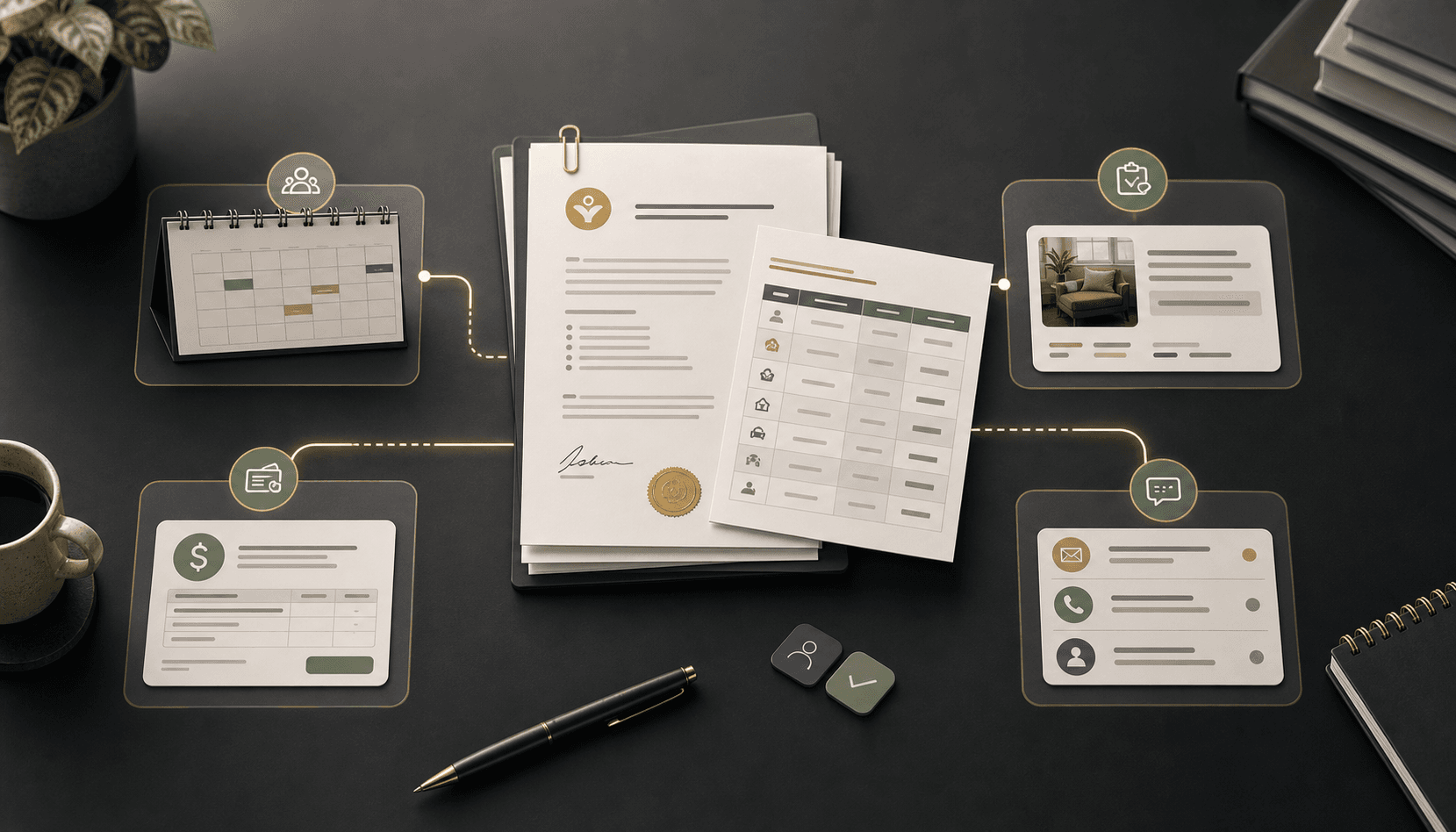
Shared expectations come before software workflow.
Start with what the agreement is meant to explain
NDIS guidance describes a service agreement as a signed agreement between a participant and provider that explains the agreed supports, how they will be delivered, costs, payment, responsibilities, complaints, changes, reviews, and ending the agreement. Source: NDIS service agreement guidance.
That makes service agreement software a workflow problem, not only a document-storage problem. The system should help a provider keep agreement terms close to the roster, support logs, invoices, claim preparation, and follow-up that the agreement informs.
Effica's NDIS rostering software and NDIS billing software pages frame that operating trail: what was planned, what was delivered, which evidence supports it, and what needs review before billing or reconciliation.
NDIS service agreement guidance
Official NDIS guidance on what service agreements are for, what they can include, and when written agreements are mandatory.
Effica NDIS billing software
Review how Effica keeps approved service evidence, claim preparation, and reconciliation context connected.
Support lines should not become hidden assumptions.
Review Schedule of Supports lines before they hit the roster
Many providers use a Schedule of Supports or similar support-line attachment to make the agreed pattern practical: support type, dates or frequency, worker/team requirements, travel, cancellations, management type, and price context.
NDIS record-keeping guidance says providers need complete and accurate records of supports delivered, including invoices, support logs, rosters, case notes, and service agreements. Source: NDIS record-keeping requirements.
Software should therefore surface review points before an agreement line becomes rostered work: missing plan dates, unclear support item context, recurring patterns that do not match the roster, travel or cancellation rules that need human review, and rows that should stay in draft until the provider has enough evidence.
Effica rostering article
Use this related article for the shift, timesheet, payroll handoff, and claim-readiness side of the workflow.
NDIS record keeping
Official NDIS provider guidance on support delivery records, invoices, support logs, rosters, case notes, and service agreements.
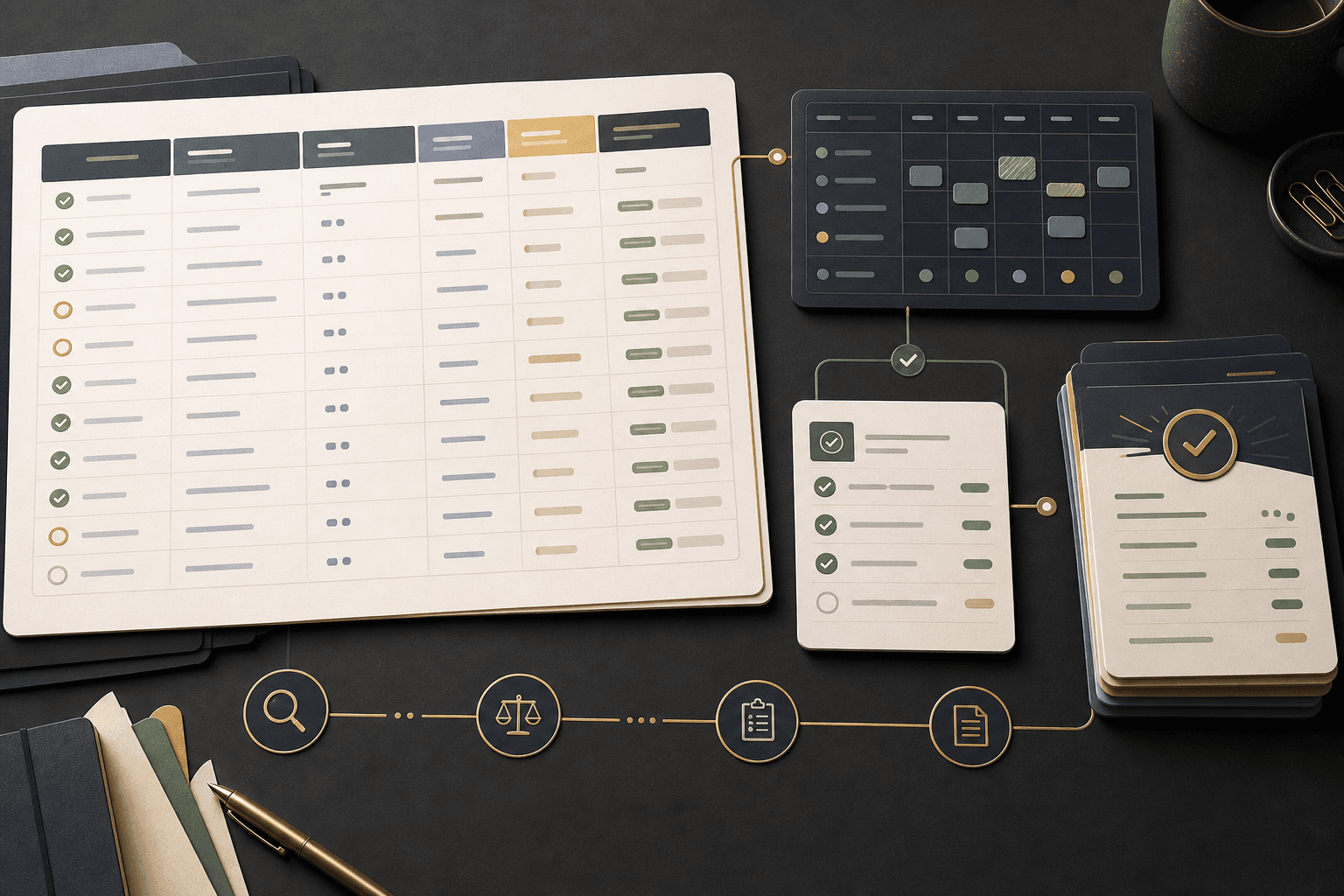
Billing context needs the delivery trail.
Connect the agreement to payment evidence without over-claiming
The NDIS guide to getting paid says payment requests need information such as participant details, support dates, support item reference number, and support item price. Source: NDIS guide to getting paid.
A service agreement workflow should not automatically turn an agreed support line into a claim. It should help finance see whether the support was delivered, whether the roster and support log explain it, whether the invoice line matches the agreement context, and whether a manager needs to hold or correct the item.
That is why service agreement data belongs close to NDIS billing software, not buried in a file library. The agreement explains expectations; the delivered-support evidence explains what actually happened.
Renewal history should stay reviewable.
Treat changes and renewals as controlled work
NDIS service agreement guidance says good agreements can explain how changes will be managed, when the agreement will be reviewed, and how the agreement can end. Source: NDIS service agreement guidance.
In software terms, that means a changed support pattern should leave a trail: what changed, who reviewed it, which participant or representative communication is attached, which roster pattern is affected, and whether old agreement lines should be closed instead of silently reused.
For spreadsheet migrations, this is one of the easiest places to lose trust. The Effica article on moving an NDIS provider from spreadsheets to operating software explains why historical documents, rosters, billing evidence, and worker records need to be mapped before import, not treated as disconnected rows.
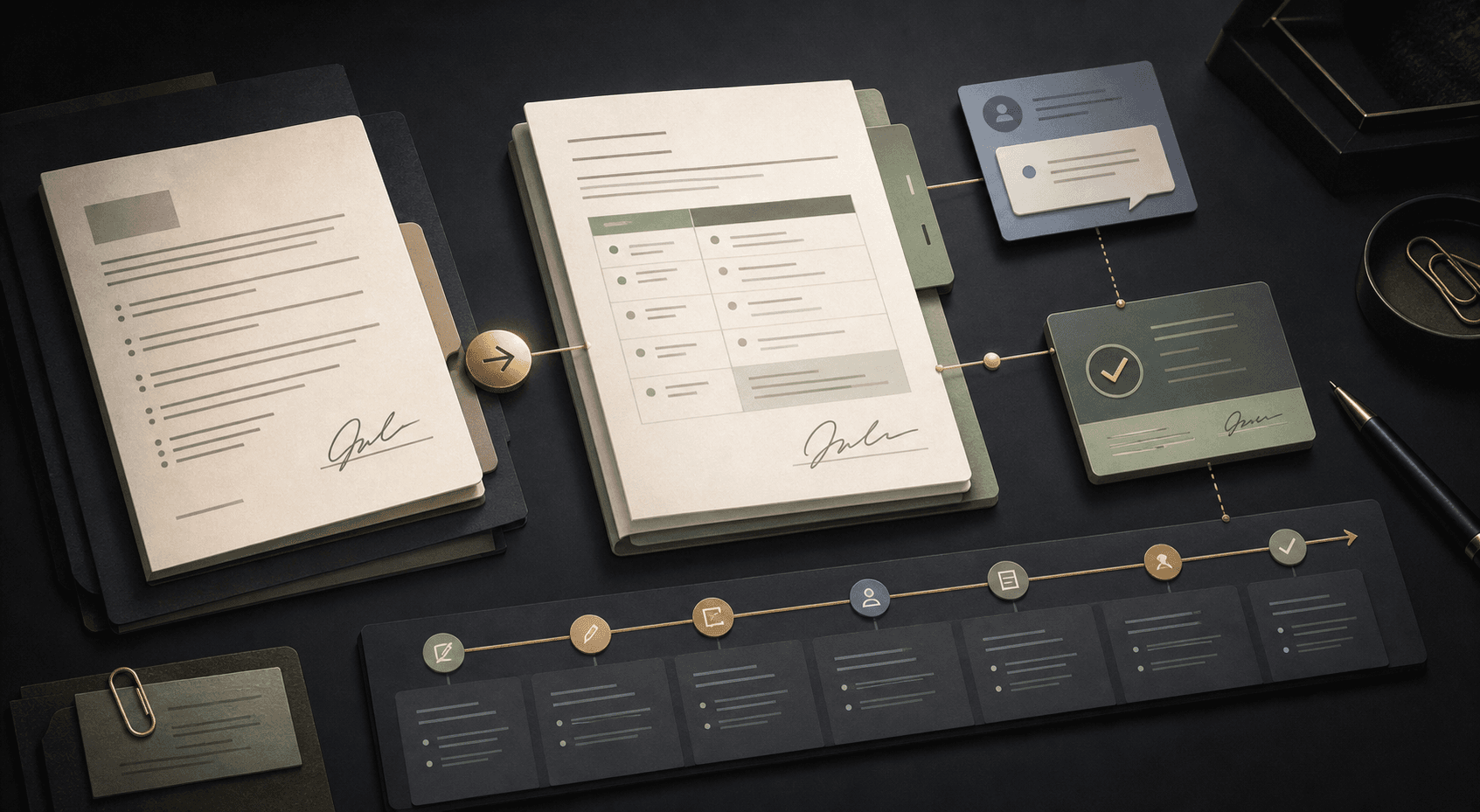
Software supports judgement; it does not replace it.
Keep complaints, responsibilities, and records visible
NDIS provider guidance says providers are responsible for keeping full and accurate support records and giving participants invoices after delivering a support or service. Source: NDIS provider responsibilities.
The NDIS Commission also publishes guidance for complaints about supports and services providers deliver. Source: NDIS Commission complaints guidance.
That does not mean service agreement software should make regulatory, legal, pricing, or complaints decisions for a provider. It should make the relevant context visible: agreement terms, support evidence, participant communication, open tasks, dispute notes, and audit history. Effica's NDIS compliance software page describes the same review-led posture for incidents, complaints, evidence, and follow-up.
Effica can support service agreement, Schedule of Supports, roster, evidence, billing, and compliance workflows, but the provider remains responsible for participant communication, official NDIS rules, pricing decisions, payroll interpretation, and regulatory obligations.
Continue with Effica
If your service agreements and support schedules are disconnected from billing review, start with the claim-preparation and reconciliation workflow that has to trust those records.
Review the billing workflowRelated Effica pages
NDIS billing software
Review how Effica connects delivered supports, claim preparation, rejected lines, and reconciliation context.
View pageNDIS rostering software
See how planned shifts, worker evidence, timesheet review, payroll handoff, and claim readiness stay connected.
View pageSIL roster-of-care article
Continue into shared supports, sleepovers, service agreement context, and SIL roster review.
View pageNDIS compliance software
Review the evidence and follow-up loop for incidents, complaints, records, and audit trails.
View pageSpreadsheet migration article
Use this related article when agreement, roster, billing, and worker data is still spread across files.
View pageContinue reading
More from the Effica blog
NDIS CRM software buyer guide
NDIS CRM software: choosing a system for participant relationships
A practical buyer guide to participant records, consent, agreements and service handoffs in an NDIS provider CRM.
Read articleMy provider relationships
NDIS my provider relationships: software checks for onboarding and claims
A practical workflow for keeping participant communication, my provider relationship requests, service agreements, role dates and claim review connected.
Read articleReferral intake and onboarding
NDIS referral management software: intake to service start
A practical workflow for moving an NDIS referral through consent, suitability, support planning, agreements and a reviewable service-start handoff.
Read article